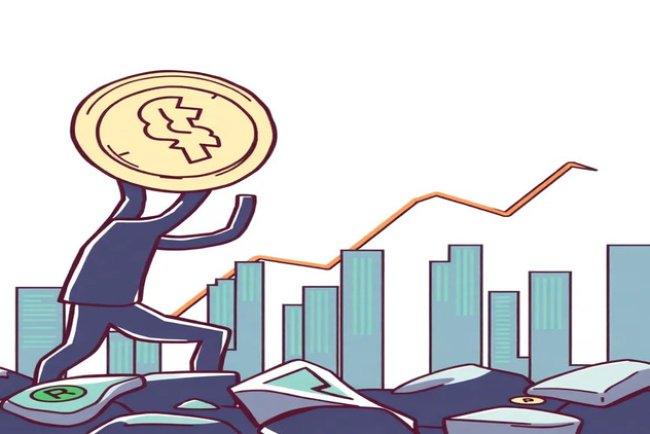
Why Crypto Enthusiasts in Myanmar Are Turning to Digital Currencies?

Across Myanmar, interest in digital currencies grows from many directions at once. No single event triggered it. Instead, a collection of pressures, frustrations, and quiet discoveries pushed people to explore new financial paths. Some arrived through online work. Others came through family abroad. Many simply reached a point where traditional tools no longer solved their daily problems.
For years, saving money inside the country felt unstable for many households. Exchange rates moved without warning. Transfer limits disrupted business. Access to foreign accounts remained difficult. In this environment, digital currencies appeared as an alternative rather than a replacement. People did not abandon banks overnight. They added new layers to their financial life.
Younger professionals led much of the change. Designers, coders, translators, and marketers working with overseas clients began receiving income in digital form. Instead of converting everything into local currency, they kept part of their earnings in tokens. They watched the markets. They waited. They converted only when timing felt right. This slow, deliberate behaviour soon attracted friends and relatives who asked questions and learned.
Social platforms amplified the movement. Telegram channels in Burmese discuss price trends, wallet security, and market psychology. These spaces act like informal schools. One person posts a mistake. Another explains the lesson. Fear and confidence travel together. Over time, understanding becomes deeper.
Within these communities, crypto trading in Myanmar develops a specific character. Participants avoid loud promises. They distrust unrealistic gains. They speak often about risk. Stories of lost passwords and scam links circulate widely. As a result, security habits grow strict. Offline storage becomes common. Verification steps feel normal. Losses hurt, but they also educate.
Mobile phones make this entire ecosystem possible. Even in towns with unstable electricity, phones remain active through power banks and generators. Traders organise their routines around network availability. Charts refresh when signals return. Patience becomes part of the strategy.
Women entrepreneurs also shape the landscape. Online shops increasingly accept token payments from customers abroad. These business owners manage wallets alongside inventory and shipping. They discuss conversion timing with the same care they apply to supplier costs. This integration of digital finance into daily commerce expands participation beyond traditional trading circles.
Cross-border influence remains strong. Myanmar traders follow markets in Thailand, Singapore, and China. They study regional price differences and regulatory shifts. They adapt global ideas to local realities. Some strategies work. Others fail. Each cycle adds experience.
Economic pressure continues to drive adoption. Inflation erodes purchasing power. Price changes arrive suddenly. Families respond by spreading their assets across cash, foreign currency, property, and digital tokens. They do not seek perfection. They seek resilience.
Education feeds this transformation. Online courses explain chart analysis, risk control, and transaction safety. Students watch lessons after work. Older participants attend live sessions on weekends. Knowledge moves slowly but steadily.
As involvement deepens, conversation matures. Early excitement fades. Long-term planning replaces short-term thrill. Traders discuss capital protection, exit points, and portfolio balance. Gains bring satisfaction, not celebration. Losses bring reflection, not panic.
Crypto trading in Myanmar no longer looks like a trend. It functions more like infrastructure. It sits quietly beside existing systems, filling gaps when banks fail to deliver speed, access, or flexibility. It offers choice in a landscape where options once felt narrow.
No one can predict the future of this movement with certainty. Regulations may tighten. Technology will evolve. New tools will replace old ones. Yet the underlying motivation appears steady. People want control over their financial direction. They want systems that move with their lives rather than against them.
In a country shaped by constant change, digital currencies offer a sense of agency. Not safety, not guarantees, but space to act. That space continues to draw new participants, one cautious decision at a time.
What's Your Reaction?